

Patients rarely choose a dental practice without researching it first. They search Google, compare nearby providers, read reviews, visit websites, and look for evidence that a dentist can meet their needs. If your practice is difficult to find during that process, competing offices may receive the calls and appointment requests instead.
A Dental SEO Expert helps your practice become more visible during these high-intent searches. The work involves much more than adding keywords to a website. It connects your Google Business Profile, service pages, technical website health, local authority, content, and conversion experience into one focused strategy.
Hasnain Local SEO helps dental practices compete for relevant visibility without relying on shortcuts or exaggerated promises. The goal is to attract people who are actively searching for services your practice provides. That may include general dentistry, emergency treatment, dental implants, cosmetic dentistry, orthodontics, or preventive care.
This guide explains how dental SEO works, what a specialist should manage, and how to evaluate a potential provider. You will also learn which signals can influence local performance and how to turn greater visibility into qualified patient inquiries.
Book your strategy call.
Dental SEO Builds Visibility Where Patient Decisions Begin
Dental SEO is the process of improving a practice’s presence in organic and local search results. It helps search engines understand what the practice offers, where it operates, and which searches its website can answer effectively.
For example, someone may search for “emergency dentist near me,” “dental implants in Austin,” or “family dentist accepting new patients.” Google then evaluates several signals before deciding which practices to display.
These signals can include location relevance, website quality, Google Business Profile information, content usefulness, reviews, links, citations, and technical accessibility. No single activity controls every result. Strong performance usually comes from improving these connected areas over time.
A Dental SEO Expert studies how prospective patients search and builds the practice’s online presence around those needs. The specialist may optimize service pages, strengthen location signals, resolve website problems, improve local listings, and plan content for valuable patient questions.
This work differs from broad digital marketing. General marketing may focus on awareness across many channels. Dental SEO focuses specifically on visibility within Google Search, Google Maps, and other organic discovery points.
It also differs from paid advertising. Search ads can provide immediate placement while the campaign remains funded. SEO aims to develop lasting organic visibility, although rankings and traffic are never guaranteed.
For practices assessing professional support, this overview of local SEO services for dentists explains how search visibility can connect with patient acquisition.
Schedule your SEO consultation.
Local Search Matters Because Dental Care Is Location-Based
Most dental appointments depend on geographic convenience. Patients normally prefer a practice that is close to their home, workplace, school, or daily route. They may travel farther for specialist treatment, but location still influences the decision.
Google uses local signals to match those patients with relevant practices. Its local results may include a map, practice listings, review information, hours, directions, photographs, and contact options. A well-positioned listing can generate website visits, phone calls, and direction requests.
However, proximity alone does not determine local visibility. Google must also understand whether a practice is relevant to the search and whether its online presence appears established. Complete business information, consistent listings, appropriate categories, useful service pages, reviews, and local authority can all support that understanding.
Local SEO also helps practices compete more precisely. A smaller dental office may struggle to rank nationally for a broad phrase such as “dental implants.” It may have a stronger opportunity for location-specific searches connected to its real service area.
A qualified Dental SEO Expert should therefore examine more than national keyword volume. The strategy must consider local intent, treatment value, competition, patient language, and the practice’s actual capacity.
This focus helps prevent wasted effort. Ranking for an informational term may bring visitors, but it will not always produce appointment requests. Local dental SEO prioritizes searches that can support real business goals.
Book your local SEO call.
The Dental SEO Process Connects Research, Optimization, and Measurement
Effective dental SEO begins with discovery. The specialist needs to understand the practice before changing its website or listings. That includes its services, locations, ideal patients, competitive environment, existing marketing, and growth priorities.
A complete process normally covers the following stages:
- Business and website discovery
- Local competitor analysis
- Keyword and search-intent research
- Technical SEO auditing
- Google Business Profile optimization
- Service and location page planning
- On-page SEO improvements
- Citation and authority development
- Content production or improvement
- Conversion tracking and ongoing measurement
Keyword research should identify how patients describe treatments, symptoms, concerns, and locations. A person may search for “replace missing tooth,” while a practice may use the clinical term “single-tooth implant.” Strong content connects professional accuracy with the language patients actually understand.
Competitor analysis then reveals which practices appear for priority searches. The purpose is not to copy their content. It is to identify gaps, understand the search landscape, and develop a more useful experience.
The Dental SEO Expert should also establish a baseline. Existing rankings, organic traffic, calls, appointment forms, indexed pages, and Google Business Profile activity can provide useful reference points. Without a baseline, it becomes difficult to judge whether the strategy is moving in the right direction.
SEO work should then follow a clear order. Critical technical problems may need attention before extensive content production. In other cases, an incomplete Google Business Profile or weak service pages may represent the strongest early opportunity.
Book your discovery session.
Google Business Profile Can Become a Major Patient Touchpoint
A Google Business Profile is often one of the first things a prospective patient sees. It can display the practice’s name, address, telephone number, opening hours, reviews, photographs, services, and website link.
Completeness matters, but accurate positioning matters more. The primary category should reflect the practice correctly. Additional categories should represent genuine services rather than unrelated opportunities. Business hours, appointment links, contact information, and service descriptions should remain current.
A Dental SEO Expert should review the following profile elements:
- Correct business name without keyword stuffing
- Accurate address and service information
- Primary and secondary categories
- Main and additional telephone numbers
- Regular and special opening hours
- Website and appointment links
- Relevant dental services
- Practice and team photographs
- Review acquisition and response processes
- Duplicate or conflicting listings
Reviews can influence both trust and patient decisions. Practices should develop an ethical process for requesting honest feedback from eligible patients. They should never purchase reviews, create fake accounts, or pressure patients to leave only positive comments.
Responses should also protect patient privacy. A practice must avoid confirming treatment details or disclosing protected information in a public reply. When a review raises a concern, the response can remain courteous and invite the reviewer to continue the conversation privately.
Professional Google Business Profile optimization can help connect accurate listing information with the wider local SEO strategy.
Schedule your profile review.
Keyword Research Should Reflect Treatments and Patient Intent
High search volume does not automatically make a keyword valuable. A dental practice needs terms that match its services, location, target patients, and commercial priorities.
A Dental SEO Expert should organize keywords by intent. Transactional searches suggest that the user may be close to booking. Examples include “emergency dentist near me” or “Invisalign consultation in Denver.” Informational searches may involve earlier research, such as “how long does a dental implant take?”
Both types can support growth. Transactional pages help patients evaluate a service and take action. Informational content builds topical relevance and helps the practice answer questions before the patient is ready to schedule.
Keyword research may cover:
- Core dental services
- Symptoms and urgent needs
- Treatment alternatives
- Cost and insurance questions
- Recovery and aftercare
- Local and “near me” variations
- Technology or procedure searches
- Questions about suitability
- Practice and dentist names
The final keyword map should assign a clear purpose to each important page. This reduces overlap between pages competing for the same intent. It also prevents a common mistake: publishing several thin articles that answer almost identical questions.
Search terms must fit the practice’s real services. A general dentist should not create misleading pages that imply specialist care it does not provide. Accurate positioning protects visitors and supports long-term trust.
Schedule your keyword review.
Service Pages Turn Search Visibility Into Relevant Inquiries
A service page should help a prospective patient understand the treatment and decide on the next step. It should not exist only to contain a target keyword.
Strong pages explain the condition or need, the available treatment, the process, potential benefits, common considerations, and how to request an appointment. The information should remain within the practice’s expertise and avoid unrealistic clinical promises.
On-page SEO helps search engines interpret this information. A Dental SEO Expert may optimize the SEO title, meta description, headings, body copy, images, internal links, and structured data. Each element should support the same search intent.
For a dental implant page, the content might cover candidacy, the consultation process, treatment stages, healing, restoration options, maintenance, and common patient questions. A generic paragraph repeated across several location pages would provide much less value.
Internal linking also improves navigation. A blog post about missing teeth might link naturally to the implant service page. The service page could link to financing information, the dentist’s credentials, or the appointment page.
Practices that want a deeper view of page-level improvements can review this guide to on-page SEO for dental websites.
Calls to action should appear at appropriate decision points. They should make it easy to call, request an appointment, or ask a question without interrupting the educational experience.
Book your website review.
Technical SEO Keeps the Dental Website Accessible and Usable
Excellent content cannot perform well if search engines struggle to access the website. Technical SEO helps protect crawling, indexing, speed, mobile usability, and site organization.
A technical review should examine whether important pages can be discovered and indexed. It should also identify broken links, redirect problems, duplicate URLs, incorrect canonical tags, sitemap issues, and accidental blocking instructions.
Website speed deserves special attention. Large images, excessive plugins, heavy scripts, and poor hosting can delay page loading. A slow experience may frustrate visitors, especially when they need urgent dental care.
Mobile usability is equally important. Patients often search from a phone and expect immediate access to directions, opening hours, appointment options, and a clickable telephone number. Small text, intrusive popups, or difficult forms can reduce inquiries.
A Dental SEO Expert should work with developers when technical changes require specialist support. Typical priorities include:
- Secure HTTPS delivery
- Logical website architecture
- Clean and descriptive URLs
- Mobile-responsive layouts
- Optimized image sizes
- Working internal links
- Accurate XML sitemaps
- Appropriate indexation controls
- Clear canonical signals
- Valid structured data
- Accessible navigation and forms
- Core Web Vitals improvements
WordPress can provide a flexible foundation, but plugins alone do not create an SEO strategy. Every plugin adds settings, code, and potential conflicts. The website should use only the tools needed for its design, security, performance, and marketing goals.
Schedule your technical audit.
Content Marketing Builds Relevance Before Patients Are Ready to Book
Not every patient starts with a treatment name. Some begin with a symptom, concern, or comparison. Helpful content allows the practice to meet those people earlier in their decision process.
A patient may search for bleeding gums, sudden tooth pain, denture alternatives, or the difference between veneers and bonding. Clear articles can answer these questions and direct the reader to an appropriate service page.
Dental content needs careful quality control. It should be accurate, understandable, and aligned with the treatment offered. Medical or clinical claims should not be exaggerated. When necessary, qualified dental professionals should review the material before publication.
A Dental SEO Expert can develop a content plan based on real search behavior. Useful formats may include:
- Treatment guides
- Patient preparation resources
- Recovery and aftercare articles
- Procedure comparisons
- Cost-factor explanations
- Emergency dental guidance
- Children’s oral health resources
- Preventive care articles
- Frequently asked questions
- Local practice updates
Content should have a defined purpose. One article may support a service page, while another may answer a recurring patient concern. Publishing without a strategy can create weak pages, overlap, and unnecessary maintenance.
Each article should also offer a logical next step. A reader learning about persistent tooth pain may need an examination rather than another general blog post.
Book your content consultation.
Citations and Local Authority Strengthen Business Consistency
A citation is an online mention of a business’s identifying information. It commonly includes the practice name, address, and telephone number. Citations may appear in business directories, healthcare platforms, local organizations, and professional listings.
Consistency helps search engines and patients recognize the correct business. Old telephone numbers, previous addresses, duplicate listings, and inconsistent names can create confusion. Multi-location practices face additional complexity because each office needs clear, distinct information.
Citation building should prioritize quality and relevance. Hundreds of low-value directory submissions do not automatically create meaningful authority. A Dental SEO Expert should focus on trusted platforms, accurate information, and listings that patients may realistically use.
Local authority can also grow through genuine community relationships. Relevant opportunities may include professional associations, local sponsorships, chambers of commerce, community organizations, educational partnerships, and news coverage.
Links should be earned through legitimate value. Buying bulk links, joining private link schemes, or publishing irrelevant guest posts can expose the website to unnecessary risk.
The practice should maintain a central record of its official business information. That record can guide updates across the website, Google Business Profile, social profiles, directories, and marketing platforms.
Schedule your citation audit.
Better User Experience Helps Convert Rankings Into Appointments
SEO traffic has limited value when visitors cannot find what they need. The website must help prospective patients move from interest to action.
A clear dental website should answer practical questions quickly. Visitors commonly want to know which treatments are available, where the office is located, when it opens, whether new patients are accepted, and how to request an appointment.
A Dental SEO Expert should review the journey from the landing page to the conversion action. User experience and conversion rate optimization can reveal barriers that rankings alone cannot solve.
Important conversion elements include:
- Visible telephone and appointment options
- Simple mobile navigation
- Clear treatment descriptions
- Dentist and team information
- Accurate location and opening hours
- Insurance or payment guidance
- Accessible contact forms
- Genuine photographs when available
- Privacy-conscious form design
- Helpful calls to action
Forms should request only the information needed for the next step. Long or confusing forms can discourage completion. Practices must also handle submitted information responsibly and use appropriate privacy and security controls.
Trust is built through clarity. Visitors should understand who provides the care, what the practice offers, and what will happen after they make contact. Unsupported badges, vague superlatives, and stock promises cannot replace useful information.
An experienced Dental SEO Expert should treat conversion performance as part of the SEO strategy. More visitors are helpful, but more suitable patient inquiries represent the stronger business outcome.
Book your conversion review.
Dental SEO Measurement Should Focus on Business Outcomes
Rankings can provide useful diagnostic information, but they should not be the only measure of progress. Search results vary by location, device, personalization, and competition. A single manually checked ranking may not represent overall performance.
A balanced reporting system should connect visibility with engagement and patient acquisition. Depending on the practice’s setup, measurement may include:
- Organic search impressions
- Relevant search clicks
- Priority keyword trends
- Google Business Profile interactions
- Qualified telephone calls
- Appointment form submissions
- Direction requests
- Service page engagement
- New and returning users
- Conversion rates by landing page
- Indexing and technical health
- Lead quality feedback
Tracking must be configured carefully. A click on a telephone number is not always a completed call. A form submission is not automatically a new patient. The practice and SEO provider should agree on definitions before evaluating results.
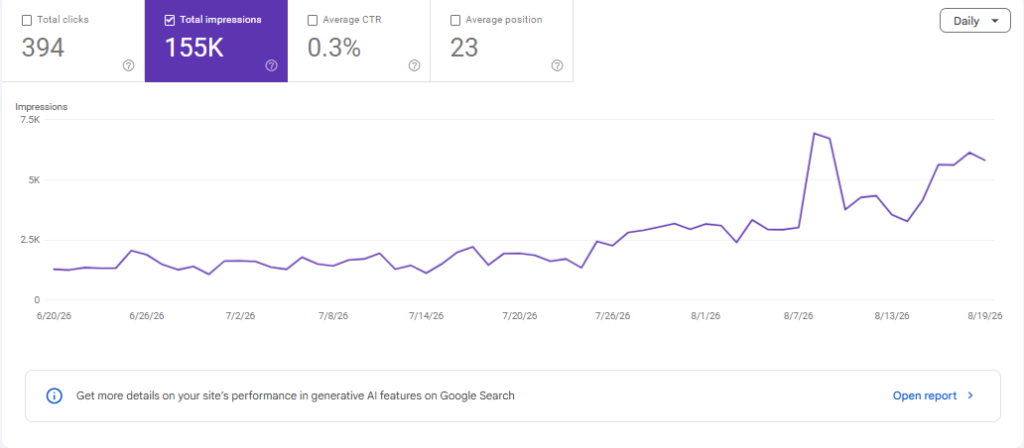
A Dental SEO Expert should provide context with the numbers. If impressions rise but conversions remain flat, the website may attract the wrong intent or have conversion barriers. If traffic declines while qualified calls increase, stronger commercial targeting may explain the change.
Seasonality, local competition, website changes, and Google updates can also affect results. Sustainable reporting avoids dramatic conclusions based on a few days of data.
Schedule your performance review.
The Right Dental SEO Expert Operates as a Transparent Growth Partner
Choosing an SEO provider requires more than comparing monthly prices. The practice is giving someone influence over its website, business listings, content, analytics, and public visibility. That relationship needs clear responsibilities and communication.
A trustworthy Dental SEO Expert should explain the proposed work in understandable language. The provider should identify current problems, set practical priorities, and clarify what the practice must supply.
Ask potential providers about:
- Their experience with local service businesses
- Their understanding of dental search intent
- Their audit and onboarding process
- Their approach to Google Business Profile work
- How they plan and review content
- Which technical changes they can implement
- How they acquire citations and links
- What reporting and communication are included
- Who owns accounts, content, and data
- How they measure qualified inquiries
- Their cancellation and contract terms
Avoid providers that guarantee a first-place ranking. Search engines control their results, and no ethical specialist can promise a permanent position. Be cautious about secret methods, mass-produced location pages, fake reviews, or large numbers of unexplained links.
Relevant work examples can help you assess execution quality. Review the provider’s SEO portfolio and past work while remembering that another practice’s outcome cannot guarantee your results.
You can also examine the dental SEO specialist’s background to evaluate experience, working style, and strategic fit.
Book your expert consultation.
Dental SEO Pricing Should Reflect Scope and Practice Needs
Dental SEO pricing varies because practices do not begin from the same position. A single-location office with a healthy website may need a different plan from a multi-location group with technical issues, duplicate listings, and weak service content.
Common pricing factors include:
- Number of practice locations
- Website size and condition
- Local market competition
- Number of priority services
- Content requirements
- Technical development needs
- Citation cleanup
- Reporting complexity
- Conversion tracking setup
- Ongoing strategy and support
A lower price is not automatically better value. A cheap package may rely on generic content, automated directory submissions, or limited communication. An expensive proposal is not automatically better either. The provider should connect each activity to a genuine need.
The practice should request a clear scope of work. It should explain what will be audited, created, optimized, monitored, and reported. It should also identify services that carry separate costs.
This guide to dental SEO pricing can help decision-makers compare common factors before choosing a plan.
SEO usually requires ongoing effort because competitors, search behavior, websites, and Google systems continue to change. However, the contract should still provide transparency. The practice should understand deliverables, timelines, account access, and cancellation terms.
Schedule your pricing call.
Dental Practices at Different Growth Stages Can Benefit
Dental SEO is not limited to large practices. It can support a new office establishing local visibility, an established dentist facing stronger competition, or a multi-location group trying to organize its online presence.
A new practice may need foundational work. That can include website architecture, service pages, analytics, Google Business Profile setup, and core citations. Early planning can prevent duplicate pages and inconsistent business information.
An established office may already receive organic traffic but lack visibility for high-priority treatments. The Dental SEO Expert may need to improve existing pages, correct technical issues, strengthen local signals, and remove conversion barriers.
A practice preparing to add a location needs a separate strategy. It should not simply copy every page and replace the city name. Each location needs accurate information, unique patient value, and a clear relationship with the wider brand.
SEO may be especially useful when a practice:
- Depends heavily on referrals alone
- Has an outdated or slow website
- Does not appear for key local searches
- Receives traffic but few appointment requests
- Has incomplete or inconsistent listings
- Is introducing a valuable treatment
- Is entering a more competitive market
- Wants to reduce dependence on paid advertising
- Needs clearer marketing measurement
SEO cannot solve every operational problem. If calls go unanswered, appointments remain unavailable, or leads receive slow follow-up, marketing performance may suffer. Growth requires coordination between visibility, website experience, and practice operations.
Book your growth assessment.
Explore Our Related Dental SEO Services
Hasnain Local SEO can align local search work with the wider digital experience. The right scope depends on the practice’s starting point, treatment priorities, market, website, and internal resources.
Practices may need Google Business Profile improvements, keyword mapping, technical SEO, WordPress development, service-page optimization, citation cleanup, content marketing, or conversion rate optimization.
Location-focused support may also require more specific planning. For example, this overview of dental SEO services in Columbus, Ohio shows how a service strategy can reflect a particular market.
Before committing to a long-term plan, begin with evidence. A structured audit can reveal technical risks, local visibility gaps, weak pages, tracking problems, and practical opportunities. You can request a free dental SEO audit to establish clear priorities.
Schedule your dental SEO call.
External Source Recommendations
- Google Search Central SEO Starter Guide → Support technical and on-page SEO guidance.
- Google Business Profile Guidelines → Verify listing eligibility and representation requirements.
- Google Search Essentials → Support ethical optimization and indexing practices.
- HHS HIPAA Guidance → Support privacy-conscious review responses and patient communications.
- ADA MouthHealthy → Reference patient-friendly oral-health information where clinically relevant.
How long does dental SEO take to work?
Timelines vary by competition, website condition, location, and starting visibility. Technical fixes may produce early improvements, while competitive local growth often requires ongoing work. A Dental SEO Expert should provide milestones without guaranteeing rankings.
How does a Dental SEO Expert improve local rankings?
The specialist improves website relevance, technical health, Google Business Profile information, service pages, citations, local authority, and user experience. The exact priorities should come from an audit rather than a standard package.
Is Google Business Profile optimization enough for a dentist?
No. The profile is important, but it works alongside the website, reviews, local citations, service content, and authority signals. Weak website information can limit both organic visibility and patient confidence.
Does every dental service need a separate page?
Important treatments usually benefit from dedicated pages when each page serves a distinct patient need. Practices should avoid creating thin pages for minor keyword variations or duplicating the same content across locations.
Can dental SEO generate more patient appointments?
SEO can improve qualified visibility and create more opportunities for calls or appointment requests. Results also depend on competition, website experience, availability, reputation, lead handling, and follow-up.
How much do dental SEO services cost?
Pricing depends on the number of locations, competition, website condition, technical needs, content requirements, and service scope. Request an itemized proposal that explains the work, deliverables, reporting, and additional costs.
How should I choose a dental SEO specialist?
Evaluate experience, transparency, strategy, communication, reporting, account ownership, and link-building methods. Avoid guaranteed rankings, fake reviews, copied location pages, and unexplained bulk link packages.
CTA
Build Stronger Local Visibility With Hasnain Local SEO
Your practice needs more than rankings. It needs visibility for relevant treatments, a trustworthy search presence, and a website that makes the next step easy.
Hasnain Local SEO can assess your Google Business Profile, website, content, local signals, and conversion experience. You will receive practical priorities based on your practice’s actual needs rather than a generic package.
Book your dental SEO consultation.