

What dental SEO is really designed to accomplish
Dental SEO is the process of making a dental practice visible when nearby patients search for care. Rankings matter, but the business goal is more specific: appear for the right treatments, in the right service area, and make it easy for a prospective patient to call or request an appointment. A useful strategy connects Google Business Profile optimization, service pages, local relevance, technical performance, reviews, and conversion tracking. It does not chase traffic that has little chance of becoming a patient. For a general practice, searches for a family dentist, emergency appointment, cleaning, crown, or implant consultation may represent very different needs. Each deserves a page and message that matches the searcher’s next decision.
Build the foundation before publishing more content
Start with accurate business information and a technically sound website. Confirm that the practice name, address, phone number, hours, and appointment URL are consistent across the website, Google Business Profile, major directories, and dental profiles. Important pages should load well on mobile devices, use secure HTTPS, return the correct status code, and be available to search engines. Every core treatment needs a dedicated page. Combining implants, Invisalign, veneers, emergency care, and preventive dentistry on one general services page limits relevance and leaves patients without enough information to act.
Choose keywords by treatment value and patient intent
A keyword list should reflect the services the practice wants to grow. Broad terms such as “dentist near me” are important, but treatment and location combinations often reveal clearer intent. Examples include “emergency dentist in [city],” “dental implants [city],” and “Invisalign provider near me.” Informational questions can support these commercial pages when they answer genuine concerns about candidacy, recovery, cost factors, insurance, or treatment alternatives. Map every keyword group to one primary page so multiple pages do not compete for the same query.
Strengthen local relevance without copying city pages
Local optimization is more than placing a city name in headings. A practice should explain whom it serves, the neighborhoods patients commonly travel from, available parking or transit, urgent appointment policies, accepted payment options, and the treatments delivered at that location. Multi-location groups need a unique page for each real office, with its own clinicians, hours, contact details, images, and local proof. Avoid creating thin pages for towns where the practice has no location or meaningful connection.
Turn visibility into appointment requests
A high-ranking page can still underperform when the next step is unclear. Put a visible appointment action near the top, keep the phone number clickable on mobile, and use short forms. Explain what happens after submission and how quickly the office responds. Treatment pages should include relevant trust signals such as dentist credentials, real office photography, financing information, patient feedback, and answers to common objections. Track calls, form completions, online bookings, and qualified appointment requests rather than reporting traffic alone.
Measure progress with a patient-acquisition scorecard
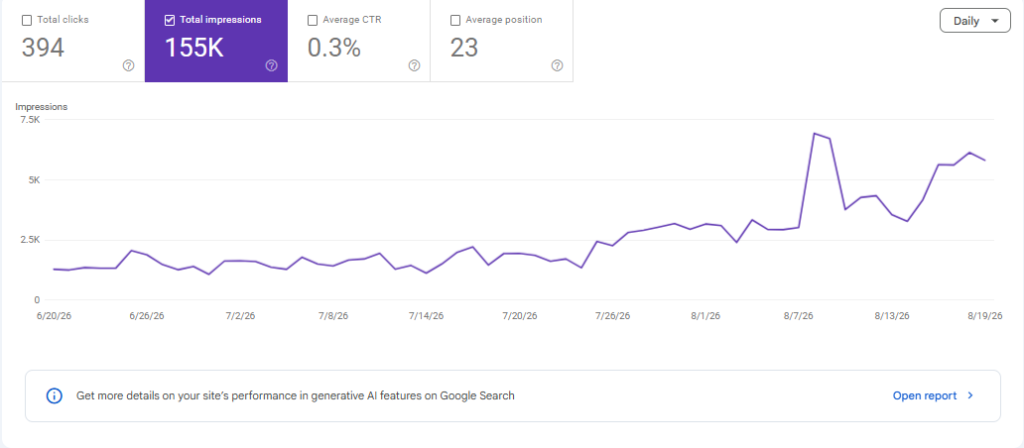
Review local rankings from several points in the service area, non-branded organic visibility, Google Business Profile actions, calls, forms, booking completions, and the treatments associated with those leads. Rankings can fluctuate, so evaluate trends over meaningful periods. The clearest SEO report answers three questions: which searches improved, which pages produced inquiries, and which inquiries became valuable appointments. That feedback should determine the next pages, improvements, and local authority work.
Frequently Asked Questions
Is dental SEO useful for every dental practice?
It can be valuable when the practice has clear growth goals, realistic geographic targets, appropriate capacity, and reliable lead follow-up. The scope should be adapted to the market and services rather than copied from another practice.
What should the practice do first?
Start with accurate measurement and a focused audit. Fix serious indexing, profile, trust, and conversion problems before expanding content. Prioritize the services most closely connected to qualified patient demand.
How should results be measured?
Measure relevant visibility, calls, forms, booked appointments, lead quality, and treatment outcomes where appropriate. Rankings and traffic are useful leading indicators, but they should not be treated as the final business result